O-Rings
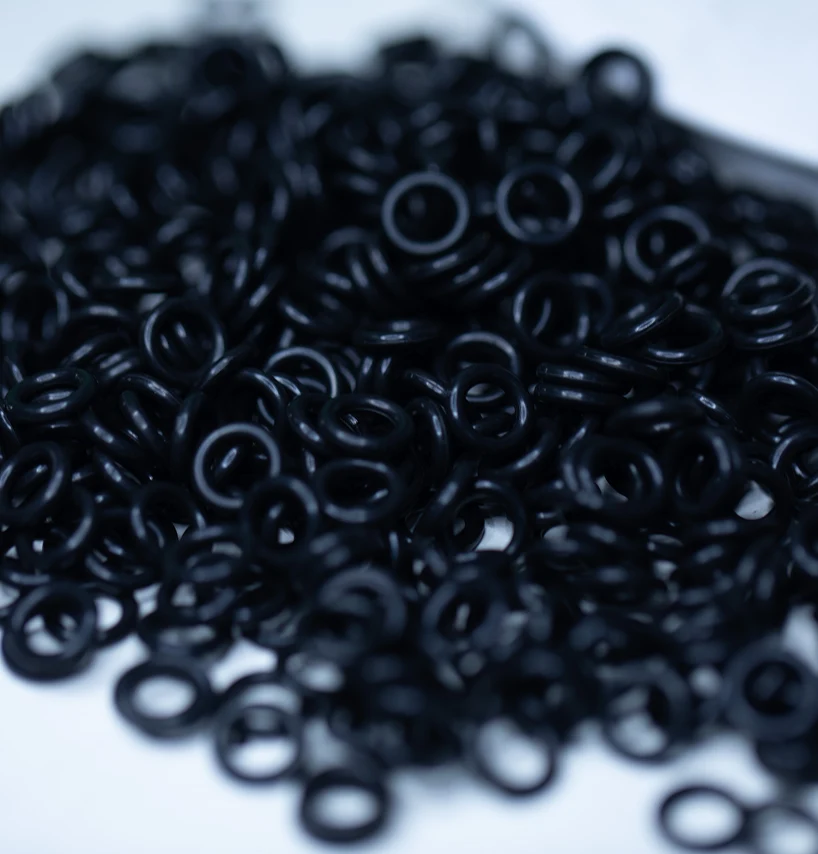
O-rings are among the most widely used sealing components in industrial systems, valued for their simple geometry, reliable sealing, and versatility across static and dynamic applications.
Profile Rings
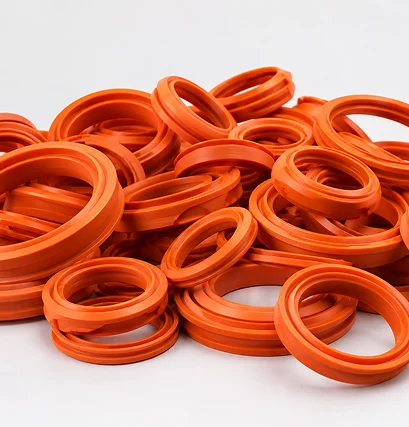
Precision-molded sealing components designed for applications where a standard O-ring geometry is insufficient.
- Specialized cross-sections, including quad rings, D-rings, and custom profiles
- Enhanced sealing contact
- Reduced friction
- Improved stability under dynamic loads
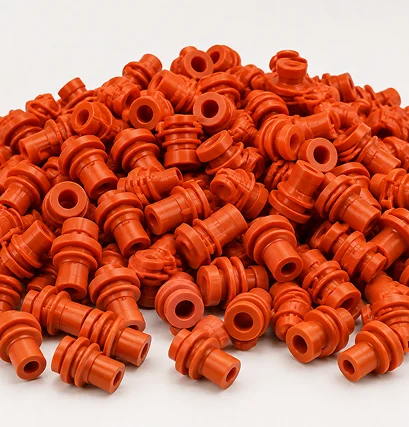
Connector Seals
Elastomer components designed to protect electrical connections from moisture, dust, and contaminants, maintaining connection integrity across demanding environmental conditions.
- Used across automotive wiring systems
- Used in electric mobility assemblies
- Used in industrial control panels
- Applied where connector protection directly influences system reliability
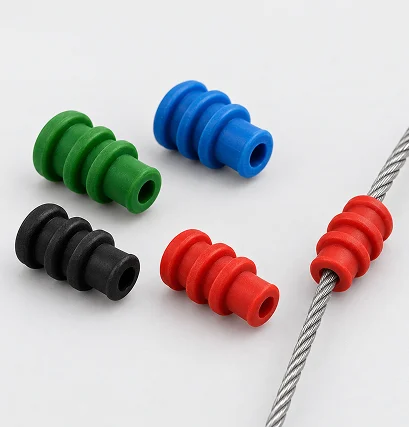
Wire Seals
Precision-molded elastomer components designed to seal individual wire entries in connector housings.
- Prevent moisture ingress
- Prevent fluid contamination across the wire-to-connector interface
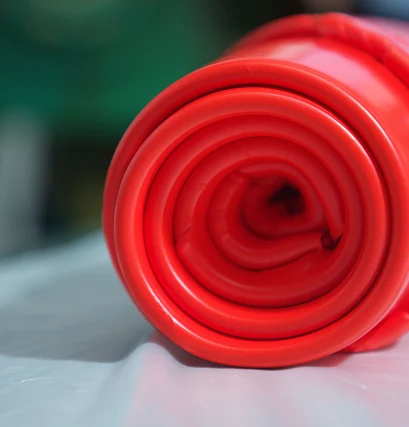
Silicone Seals
Silicone gaskets are molded sealing components valued for:
- Exceptional thermal stability
- Flexibility across a wide temperature range
- Resistance to environmental ageing
Used in applications where rubber compounds would degrade prematurely.
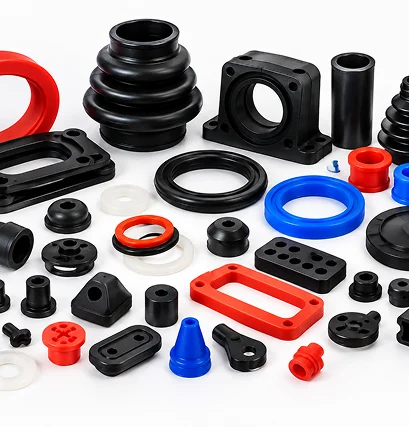
Custom Molded Components
Application-specific elastomer parts, developed where standard geometries, sizes, or compounds are insufficient to meet the performance or fitment requirements of a particular assembly. Rather than working within a fixed catalog, HiFit engineers each component to the customer's specification.
O-Rings
O-rings are among the most widely used sealing components in industrial systems, valued for their simple geometry, reliable sealing, and versatility across static and dynamic applications.
Profile Rings
Precision-molded sealing components designed for applications where a standard O-ring geometry is insufficient.
- Specialized cross-sections, including quad rings, D-rings, and custom profiles
- Enhanced sealing contact
- Reduced friction
- Improved stability under dynamic loads
Connector Seals
Elastomer components designed to protect electrical connections from moisture, dust, and contaminants, maintaining connection integrity across demanding environmental conditions.
- Used across automotive wiring systems
- Used in electric mobility assemblies
- Used in industrial control panels
- Applied where connector protection directly influences system reliability
Wire Seals
Precision-molded elastomer components designed to seal individual wire entries in connector housings.
- Prevent moisture ingress
- Prevent fluid contamination across the wire-to-connector interface
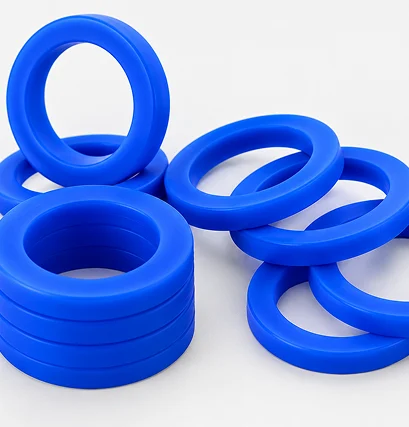
Silicone Seals
Silicone gaskets are molded sealing components valued for:
- Exceptional thermal stability
- Flexibility across a wide temperature range
- Resistance to environmental ageing
Used in applications where rubber compounds would degrade prematurely.
Custom Molded Components
Application-specific elastomer parts, developed where standard geometries, sizes, or compounds are insufficient to meet the performance or fitment requirements of a particular assembly. Rather than working within a fixed catalog, HiFit engineers each component to the customer's specification.